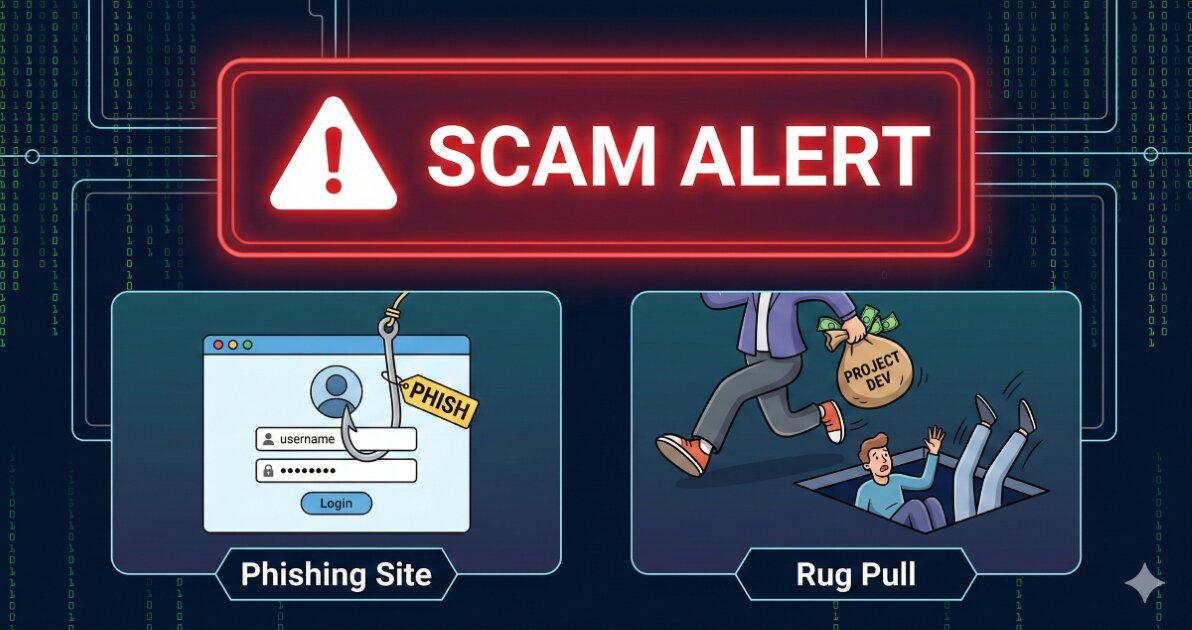
Crypto Twitter moves fast, Telegram channels overflow with “alpha,” and every other blog promises you the next 100x token. But separating real news from noise, scams, and pump-and-dump schemes is one of the most valuable skills you can develop as a trader or builder in this space. Legit crypto news helps you make informed decisions, while fake or manipulated stories can drain your portfolio before you realize what happened.
Why Most Crypto News Is Suspect
The crypto media landscape is crowded with conflicts of interest. Many sites run paid promotions disguised as news, influencers shill tokens they’re paid to promote, and anonymous accounts spread coordinated FUD to manipulate prices. Even legitimate outlets sometimes rush stories without proper fact checking because speed wins clicks. Add in the fact that crypto operates globally across time zones with minimal regulation, and you’ve got a perfect storm for misinformation. Learning to filter signal from noise isn’t optional anymore. It’s survival.
Where Legit News Actually Lives
Start with a handful of sources that have earned credibility over multiple market cycles. Publications like CoinDesk, The Block, and Decrypt have editorial standards and disclose conflicts of interest. They’re not perfect, but they employ actual journalists who verify information before publishing. For onchain data and protocol news, look at official project blogs, GitHub repositories, and governance forums. These primary sources don’t have the spin that secondary reporting often adds.
Twitter (or X, whatever we’re calling it now) can be valuable if you curate your feed carefully. Follow developers, protocol researchers, and people who’ve been right more often than wrong. Watch out for accounts that only post when they have something to sell you. Telegram and Discord servers for specific projects can give you early information, but remember that community managers are usually optimists by job description.
Red Flags That Scream Fake News
Certain patterns show up again and again in manipulated stories. Anonymous sources making price predictions with specific targets and dates are almost always garbage. “Insider information” about exchange listings usually comes from people trying to pump their bags before a planned dump. Headlines that use words like “imminent,” “explosive,” or “urgent” are designed to make you act without thinking.
Check if the same story appears across multiple independent sources. If only one obscure blog is reporting that a major exchange is adding a token, it’s probably false. Look at the author’s history. Do they write exclusively about one project? Have they promoted scams before? Real journalists cover multiple topics and have a track record you can evaluate.
Price manipulation is common around major announcements. If a token pumps 50% on “rumors” of a partnership, then the partnership turns out to be meaningless or nonexistent, you’ve witnessed a coordinated dump. Legitimate news doesn’t usually leak in ways that let insiders front run everyone else.
The Primary Source Habit
Here’s a simple example of how this works in practice. Say you see a post claiming that a DeFi protocol is changing its tokenomics to increase staking rewards. Before you ape in, go check the protocol’s governance forum. Is there actually a proposal? What’s the discussion like? Has it passed a vote? Then check the project’s official Twitter or blog. If they haven’t announced anything, the “news” is probably speculation, misunderstanding, or an outright lie designed to pump the token.
This habit saves you from countless bad decisions. Someone claims an exchange is insolvent? Check their proof of reserves if they publish them. A blog says the SEC is about to approve a specific ETF? Go read the actual SEC filings. It takes five extra minutes, but those five minutes have saved me from losses more times than I can count.
Understanding the Incentive Structure
Everyone publishing crypto content has an incentive, and legit news requires you to identify what it is. Established publications want to maintain credibility for long term readership. That’s a good incentive structure. Anonymous accounts with affiliate links want you to click and sign up so they earn commissions. That’s not necessarily bad, but you should factor it into how much you trust them.
Project foundations and venture capital firms want their investments to succeed, so their “news” will always be bullish. Developers and core contributors usually give you straighter information because their reputation depends on accuracy. Short sellers and competitors might spread negative information that’s technically true but presented in the worst possible light. None of these sources are evil, but you need to adjust for their biases.
Common Mistakes When Consuming Crypto News
- Taking price predictions seriously from accounts that make a new prediction every week and delete the wrong ones
- Believing “partnership announcements” without checking what the partnership actually involves (often it’s meaningless)
- Following breaking news from accounts with few followers and no track record
- Assuming that because multiple outlets report the same story, it must be independently verified (often they’re all citing the same unconfirmed source)
- Ignoring the publication date and treating old news as current, especially during volatile market conditions
- Trusting YouTube thumbnails and titles without watching the actual content or checking the description for affiliate disclosures
What to Verify Right Now
- Check if the news source has a clear editorial policy and discloses paid content
- Look up the author’s previous articles and social media history to gauge credibility
- Search for the same story across multiple independent publications before believing it
- Verify claims against primary sources like official blogs, GitHub commits, or governance proposals
- Check the date of the article or post to ensure you’re not reading old information presented as new
- Look for conflict of interest disclosures, especially around token holdings or advisory relationships
- Examine whether the source links to evidence or just makes unsupported claims
- See if the project or company mentioned has confirmed the news on their official channels
- Check onchain data using block explorers to verify claims about transactions or token movements
- Review whether the news outlet has corrected previous errors or just quietly deletes wrong stories
Next Steps
- Build a curated list of five to ten trusted sources and check them daily rather than chasing every viral tweet
- Set up alerts for official announcements from projects you hold, using their blogs and governance forums as primary sources
- Practice the five minute verification habit: whenever you see news that makes you want to trade immediately, spend five minutes checking primary sources before acting
Category: Crypto News & Insights