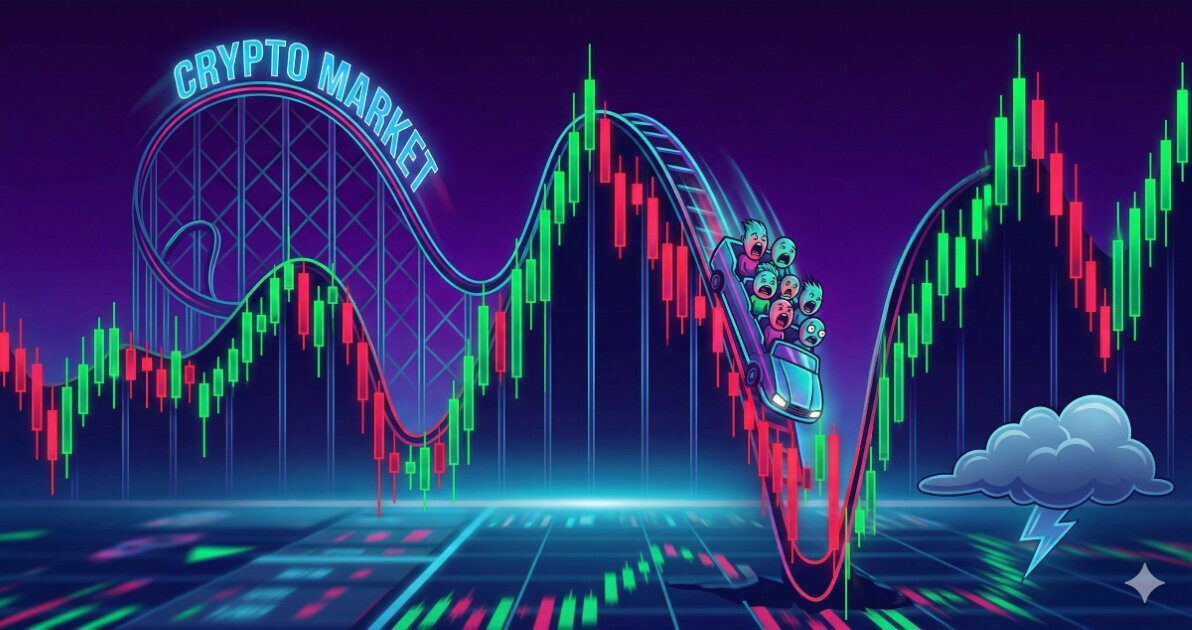
Crypto trading news hits differently than traditional finance updates. A single tweet can move markets 10% in minutes, a regulatory whisper can tank your altcoin holdings, and exchange drama can lock up your funds before you finish your morning coffee. Knowing how to parse, verify, and act on crypto news is just as important as your chart reading skills.
Why Crypto News Moves Markets Faster Than Traditional Finance
The crypto market never sleeps, and neither does the news cycle. Unlike stock markets with circuit breakers and trading halts, crypto reacts in real time across global exchanges. A hack announcement at 3 AM Eastern can trigger liquidation cascades before New York traders wake up. The 24/7 nature means you can’t rely on the opening bell to assess overnight developments.
Social media amplifies everything. Founders, VCs, and protocol teams communicate directly on Twitter/X, bypassing traditional PR channels. This creates both opportunity and risk. You get unfiltered information faster, but you also wade through coordinated pump campaigns, fake screenshots, and misinterpreted technical updates.
The liquidity fragmentation matters too. News about a Binance listing affects different pools than news about a Coinbase custody announcement. Understanding where volume concentrates helps you anticipate which headlines actually move your positions.
Types of News That Actually Matter for Your Trades
Not all headlines deserve your attention. Exchange news tops the list: new listings, delistings, maintenance windows, and especially solvency concerns. If your tokens sit on an exchange facing regulatory action or withdrawal issues, that trumps any technical analysis setup you’re watching.
Regulatory developments create the biggest sustained moves. These aren’t always obvious. A random congressional hearing might mean nothing, while an SEC filing deadline extension could signal months of uncertainty. Watch what regulations target: is it exchanges, DeFi protocols, specific token categories, or on/off ramps?
Protocol updates and governance votes matter if you hold significant positions. A failed upgrade, a contentious hard fork, or a treasury diversification proposal can reshape tokenomics overnight. The 2023 Arbitrum DAO governance drama showed how quickly community sentiment shifts when insiders make unexpected moves (and that’s history now, not current events, so always check current governance activity).
Macro news still drives crypto. Fed announcements, banking stress, and geopolitical events correlate with Bitcoin moves, which cascade through altcoins. Ignore the “crypto is uncorrelated” narrative when risk assets broadly sell off.
How to Verify News Before You Trade On It
Check multiple independent sources. If you see breaking news on Twitter, don’t trade until at least two credible sources confirm. Exchanges’ official announcement pages, project Discord servers (official channels only), and established crypto news sites form your verification triangle.
Look at the actual onchain data when possible. Someone claims massive whale dumping? Check Etherscan or your chain’s explorer. Exchange says withdrawals are working fine? Test with a small amount or check community reports of successful withdrawals in the last hour.
Distinguish between “announced” and “implemented.” A protocol might announce a token burn, but until the transaction confirms onchain, it’s just words. Exchanges love announcing features months before launch. Trade the reality, not the roadmap.
Watch the market’s reaction relative to the news significance. If supposedly bullish news drops and price immediately dumps, smart money might know something you don’t. That inverse reaction often signals deeper problems or that the news was already priced in.
Trading the News Without Becoming Exit Liquidity
Here’s a real scenario: You wake up to news that a major exchange will list your mid cap altcoin in 48 hours. Price is already up 30%. Do you buy the rumor or wait?
Check when the news leaked. If price already ran 30% before the official announcement, early insiders likely accumulated lower. The official news might be your sell opportunity, not your entry. Listing pumps often peak hours before actual trading begins, then dump when retail finally gets access.
Size your position for the volatility. News driven moves can reverse violently. If you typically trade 5% of your portfolio on a setup, maybe use 2-3% on a news catalyst. Use wider stops or accept that you might get stopped out on noise.
Consider the time decay. A regulatory decision expected “this quarter” loses impact as a trading catalyst each passing week. News with hard deadlines (upgrade block heights, listing times, unlock schedules) creates clearer trade windows.
Common Mistakes When Trading Crypto News
-
Trading headlines without reading the actual announcement. The headline “SEC approves Bitcoin ETF” hits different than “SEC delays Bitcoin ETF decision for 3 months,” but rushed traders mix them up.
-
Ignoring the source credibility. Random crypto Twitter accounts regularly fake exchange announcements with doctored screenshots. Always verify through official channels before position sizing.
-
Forgetting that good news can be sell events. Major partnership announcements often mark local tops because insiders accumulated on rumors and distribute on news.
-
Overtrading every headline. Not every Fed speaker comment or protocol blog post deserves a trade. You’ll death by a thousand cuts on fees and slippage.
-
Assuming news affects all related tokens equally. An Ethereum upgrade might pump ETH but dump certain Layer 2 tokens if the upgrade reduces their value proposition.
-
Panic selling on FUD without verification. Coordinated FUD campaigns target liquid alts regularly. Verify the claims before you market sell into a manipulation attempt.
What to Verify Right Now About Your Trading Setup
-
Which exchanges or news sources are you monitoring for breaking developments? Set up alerts for official channels, not just aggregators that might lag.
-
Do you have contingency plans if your primary exchange faces sudden withdrawal issues? Know your backup trading venues and how quickly you can move funds.
-
Are you checking the event calendar for known upcoming catalysts? Token unlocks, Fed meetings, options expiries, and upgrade deadlines are all scheduled and searchable.
-
Can you access onchain data to verify claims about whale movements or protocol changes? Bookmark block explorers and learn basic transaction reading.
-
What’s your maximum position size for news driven trades versus technical setups? Define this before the news hits, not during the volatility.
-
Are you distinguishing between different types of regulatory news? A lawsuit against an exchange differs from proposed legislation differs from actual enacted regulation.
-
Do you know which news actually historically moves the specific tokens you trade? Not all coins react to the same catalysts.
-
Have you tested your exchange’s deposit and withdrawal times recently? When news breaks, you need to know if you can move funds in 10 minutes or 2 hours.
-
Are you tracking both crypto native news and macro financial developments? Both categories drive price action, just on different timeframes.
-
What’s your plan when news breaks during your sleep or work hours? Automated alerts, stop losses, and position sizing matter more when you can’t actively monitor.
Next Steps
-
Build a tiered news monitoring system. Use exchange APIs, Discord/Telegram bots, and Twitter lists to catch developments at different speeds. Free tools exist for basic alerts.
-
Paper trade the next three major news events before risking real capital. Track what you would have done versus what actually worked. Most traders overestimate their news trading edge.
-
Create a news trading checklist that you follow before entering any position based on headlines. Include verification steps, position sizing rules, and time limits for how long you’ll hold a news driven trade.
Category: Crypto News & Insights