Plume Network has been making waves as a modular layer 1 blockchain focused specifically on real world assets (RWA). If you’re tracking the next wave of crypto infrastructure or looking at where tokenized assets are heading, Plume represents an interesting experiment in bringing traditional finance onchain. This article breaks down what you need to know about Plume, the milestones worth watching, and how to evaluate whether it matters for your portfolio or business.
What Makes Plume Different from Other L1s
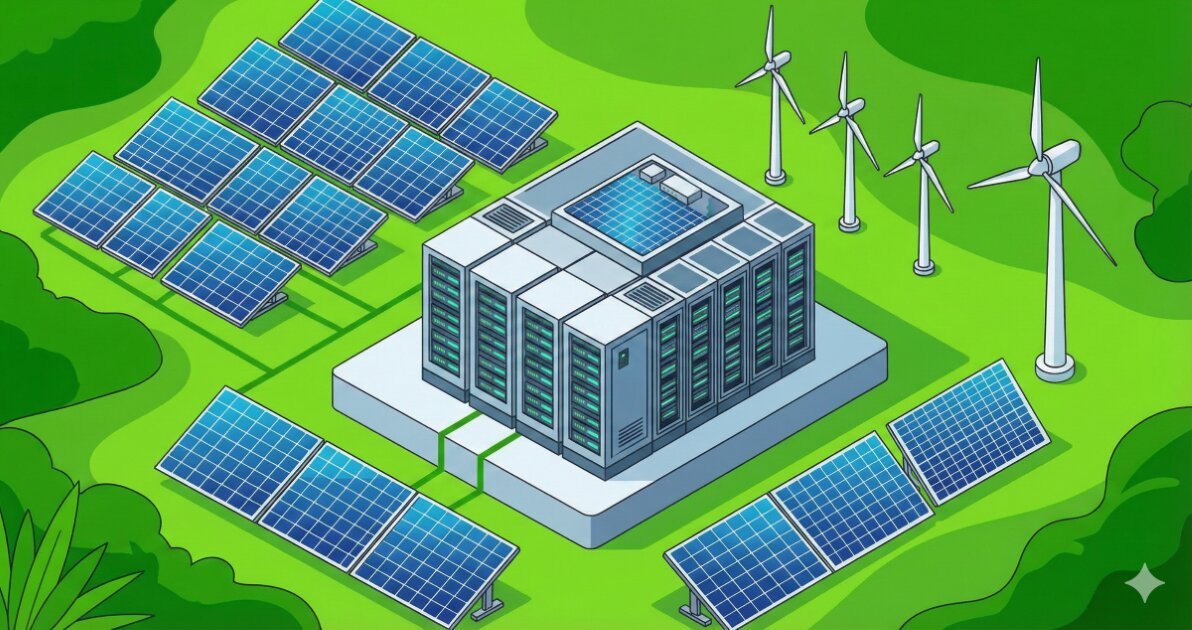
Plume positions itself as the first fully integrated RWA blockchain, meaning the network is purpose built for tokenizing and trading real world assets like real estate, private credit, commodities, and revenue streams. Unlike general purpose chains where RWA projects have to build custom infrastructure from scratch, Plume offers native tooling for asset tokenization, compliance, and cross border settlement.
The network uses a modular architecture that separates consensus from execution, similar to other modern L1s. What sets it apart is the built in composability for RWA primitives. Developers can launch tokenized assets with embedded compliance rules, access oracles for offchain data verification, and tap into liquidity pools designed specifically for less liquid real world instruments.
Think of it as Ethereum but optimized for the specific challenges of bringing stocks, bonds, real estate shares, and other traditional assets onchain rather than just DeFi protocols and NFT collections.
The Testnet Launch and Developer Activity
Plume launched its testnet to allow developers to experiment with RWA tokenization without risking real capital. The testnet includes sandbox environments for creating security tokens, testing compliance workflows, and simulating cross border transactions under different regulatory frameworks.
Developer activity on testnets often signals how much real interest exists before mainnet launch. For Plume, teams building private credit marketplaces, tokenized commodity platforms, and fractional real estate products have been testing integrations. The network provides SDKs and APIs that reduce the technical lift for traditional finance companies wanting to experiment with blockchain without hiring a full crypto engineering team.
If you’re evaluating Plume as a potential investment or integration partner, checking current testnet metrics like transaction volume, number of deployed contracts, and diversity of use cases gives you a baseline for adoption potential.
Mainnet Plans and Token Economics
Plume’s mainnet launch timeline and token distribution model matter significantly for anyone considering exposure to the project. The native token serves multiple functions including gas fees, staking for network security, and governance over protocol upgrades.
Early community programs often distribute tokens through testnet participation rewards, ecosystem grants, and strategic partnerships. Understanding the token unlock schedule helps you anticipate supply dynamics. Highly concentrated allocations to VCs with short lock periods can create selling pressure post launch, while more distributed allocations with longer vesting may signal confidence in long term value accrual.
For RWA focused blockchains, the business model depends heavily on transaction fees from asset issuance and trading. Unlike pure DeFi chains where fees come from swaps and lending, RWA networks monetize compliance services, custody integrations, and settlement finality guarantees.
Real World Asset Use Cases on Plume
Let’s walk through a concrete example. Imagine a private equity fund wants to tokenize shares in a portfolio of rental properties. Traditionally, they’d need lawyers to structure the deal, a transfer agent to manage cap tables, and investors would face high minimums with limited liquidity.
On Plume, the fund could issue compliant security tokens representing fractional ownership. Smart contracts enforce accreditation checks, transfer restrictions based on holding periods, and automated dividend distributions from rental income. Investors could trade these tokens peer to peer within regulatory guardrails, and the fund reduces administrative overhead.
Other use cases include invoice factoring where businesses tokenize accounts receivable for instant liquidity, carbon credit marketplaces with transparent tracking, and emerging market bonds that settle faster than traditional clearing systems.
The key question is whether Plume’s infrastructure actually reduces friction enough to justify the complexity of moving these assets onchain.
Integration with Existing Crypto Infrastructure
Plume doesn’t exist in isolation. The network is building bridges to established DeFi ecosystems so RWA tokens can tap into existing liquidity. Interoperability with Ethereum, Arbitrum, and other major chains allows tokenized assets issued on Plume to be used as collateral in lending protocols or traded on DEXs.
This crosschain functionality matters because RWA tokens often suffer from low liquidity initially. If a tokenized real estate share can only be traded with other Plume users, market depth stays thin. But if it can flow into larger DeFi ecosystems, price discovery improves and holders gain more exit options.
Watch for announcements about bridge partnerships, oracle integrations for offchain data feeds, and collaborations with established custody providers. These integrations determine whether Plume remains a niche experiment or becomes core infrastructure for tokenized finance.
Common Mistakes
- Assuming all RWA platforms are equally compliant. Different jurisdictions have wildly different rules for security tokens and not every blockchain handles regulatory requirements the same way.
- Ignoring liquidity risk. Tokenizing an asset doesn’t automatically create buyers. RWA tokens can have extremely wide bid ask spreads and limited trading volume.
- Confusing testnet activity with real adoption. High testnet usage doesn’t guarantee mainnet success. Many projects see massive testnet numbers that evaporate when real money is at stake.
- Overlooking custody requirements. RWA tokens representing offchain assets require trusted parties to hold the underlying property, creating counterparty risk even in a decentralized system.
- Treating RWA tokens like pure crypto assets. These instruments often come with transfer restrictions, holding periods, and accreditation requirements that limit who can trade them.
- Neglecting the legal entity structure behind tokenized assets. A token is only as good as the legal claim it represents in traditional courts.
What to Verify Right Now
- Current status of Plume mainnet launch and any announced timeline updates
- Token distribution details including allocation percentages to team, VCs, community, and vesting schedules
- List of active projects building on Plume testnet or committed to mainnet deployment
- Partnerships with regulated custodians, compliance providers, or traditional finance institutions
- Bridge integrations confirmed with other blockchain networks
- Jurisdictions where Plume based assets can be legally offered and traded
- Security audit results for core protocol smart contracts
- Validator set composition and staking requirements for network participation
- Transaction fees structure for asset issuance versus ongoing transfers
- Governance mechanism details and who controls protocol upgrade decisions
Next Steps
- Join Plume’s testnet if you’re building RWA products to evaluate the developer experience and infrastructure capabilities firsthand.
- Research the regulatory landscape for security tokens in your jurisdiction to understand whether Plume based assets would even be permissible for your use case.
- Compare Plume’s approach to competing RWA platforms like Polymesh, Avalanche subnets focused on institutional assets, or traditional tokenization providers to see where the technical and regulatory tradeoffs land.
Category: Crypto News & Insights